
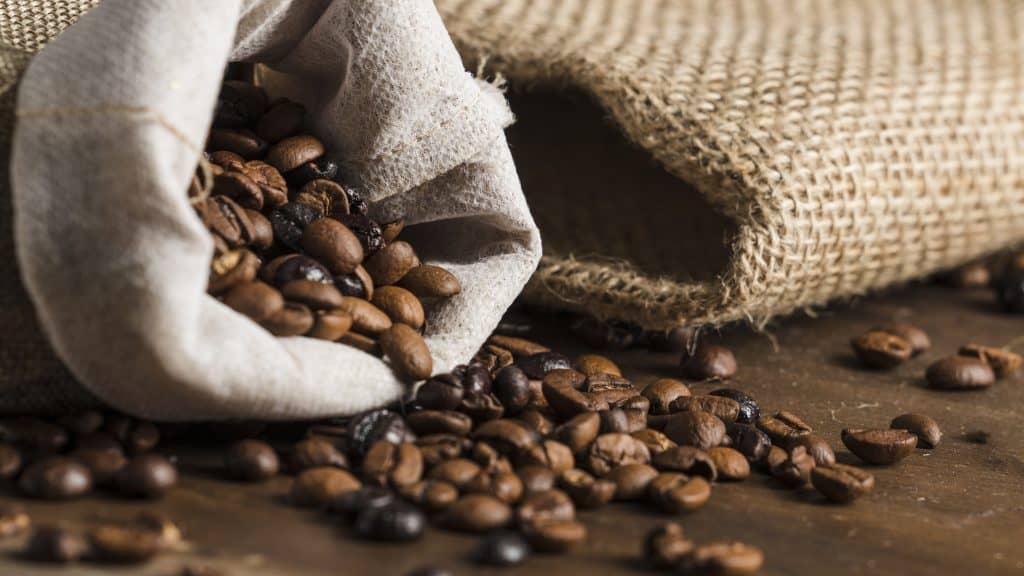
Many of us drink whatever coffee’s being offered, whether it’s in a coffee shop, office or at home. Often without giving it a second thought.
But what do you know about the coffee that you’re drinking? Here’s a brief guide to help you get a bit more enjoyment from your coffee.
The main types of coffee bean.
You’ve probably heard of them already – Arabica and Robusta.
But what are the differences between the 2?
Arabica
Grown at high altitude (over 2000 feet) arabica beans are typically larger in size, and are characterised as sweet and fruity with a higher level of acidity and a lower level of caffeine (1.2%).
Accounting for about 70% of the global production, arabica beans are regarded as being of a higher quality, and thus are more expensive. Single origin or single estate coffees are generally 100% arabica, and are prized by coffee enthusiasts for their individual characteristics and taste profiles.
Robusta
Grown at lower altitudes (below 2000 feet), robusta beans tend to be smaller in size and are characterised as being bold and earthy, with a more bitter taste but a higher level of caffeine (2.7%)
Accounting for about 30% of global production, robusta beans are often regarded as being of a lower quality, and were historically cheaper than arabica beans. This is no longer the case, with robusta and arabica beans being traded at very similar prices in the current market.
Robusta beans are often added into espresso blends to increase the crema produced and also to improve the body and mouthfeel of the drink.
Different roast levels (how dark the coffee beans are) also affect the taste of the finished drink.
Light Roast Coffee
Single origin arabica coffees tend to be lightly roasted to bring out the natural sweetness of the coffee beans. They are often high on acidity and have a bright and sweet taste.
Best used as a filter or drip coffee and often served without milk or sugar to allow the drinker to appreciate the individual characteristics of the bean.
Medium Roast Coffee
Darker in colour than a light roast, medium roasted coffees offer a balance of body and acidity. A good all-round coffee suitable for use as an espresso or as a filter or drip coffee.
Dark Roast
Dark brown to almost black in colour, dark roast coffees are often characterised by an oiliness of appearance, with a fuller body and bold chocolatey flavours. Typically used in espresso blends where the taste cuts through the milk in cappuccinos and caffe lattes.
What sort of flavours should I expect to taste in the different types of coffee?
There are 100s of flavours to be found in coffee, often dependent on where it is grown, the soil type and altitude. However there are 4 basic groups of flavours that you will find.
Chocolate and caramel
Found in darker roasts as the caramelisation occur towards the end of the roasting process.
Nuts and spice
Often a characteristic of Central and South American coffees such as Brazil and Colombia. Expect to find sweet spices such as cinnamon and cloves, along with toasted almonds and macadamia nuts.
Fruit
Many coffees have a fruitiness to them, not really surprising as coffee beans are actually the seeds of the coffee cherry.
Citrus and floral
Often prominent in washed coffees from Africa, especially Ethiopia. Expect to find zesty citrus flavours, combined with floral scents such as honeysuckle, jasmine, dandelion and nettles.
At the end of the day, most people drink the coffee that they like, regardless of the many variables.
When choosing a coffee it’s important to consider how it’s being prepared, i.e. what sort of machine is being used, together with individual preferences.
A business environment, where coffee is being offered as a staff perk, probably through a bean-2-cup machine, a medium- or dark- roast espresso blend is a good starting point.
In a coffee shop environment, a medium or dark roasted espresso blend may be suitable for an older clientele, whereas a lighter roasted single origin arabica would be perfect for meeting the tastes of younger consumers.